
Where AI Can Reduce Property Management Work
The numbers don't lie. AI adoption in UK property management jumped from 21% to 34% in twelve months. Another 29%...
Read more about Where AI Can Reduce Property Management WorkBristol has become one of the UK’s most sought-after cities for both property investors and renters. With a thriving economy, a strong student population, and a high demand for rental properties, landlords have a great opportunity to generate steady rental income.
With all that in mind, successful property management includes far more than finding a tenant. It involves legal compliance, maintenance, tenant relations, and financial oversight. This is why, in this guide, we will cover all the property management tips you should know to keep your rental smooth.
The same basic disciplines apply to a single buy-to-let, a larger portfolio and a short-term rental: protect the property, meet legal duties and keep control of costs.
Here are some of the tips and elements we will go through in this complete guide.
If you’re a landlord looking to streamline operations and increase profitability, this guide will show you how.
Managing a rental in Bristol involves far more work than handing over the keys. From pricing to maintenance and legal checks, there’s a lot to keep on top of. These property management tips will help you stay organised, avoid stress, and get the most out of your rental.
Bristol has strong rental demand, and it’s easy to see why. The city has many young professionals and families, thanks to steady job growth and a great quality of life. There’s also a big student population from the University of Bristol and UWE, which keeps rental demand high.
Jobs in tech, finance, and the creative industries attract even more people, while tourism adds another layer of demand, especially for short-term lets. All of this means strong rental income, making Bristol a solid choice for both new and experienced landlords.
Short-Term Lets (Airbnb, Holiday Rentals)
Long-Term Rentals (Professional & Family Tenants)
Student Accommodation
Knowing which rental strategy suits your property and location will help you maximise income and reduce vacancies.

Understanding and complying with legal requirements is crucial for landlords to avoid penalties, maintain a good reputation, and protect their rental business. Bristol has specific regulations that landlords must follow, especially for HMOs (Houses in Multiple Occupation) and long-term lets.
Ignoring legal requirements can lead to fines, legal battles, and loss of rental income. Staying compliant ensures a rental business that is easier to run.
Below are the essential legal requirements every Bristol landlord must meet:
Some rental properties in Bristol need to be licensed by the Bristol City Council. If your property falls under Selective, Mandatory, or Additional Licensing, you’ll need to apply before you start renting it out. If it’s an HMO (meaning five or more tenants from different households) you must have a licence. Skipping this step can land you with a fine of up to £30,000 or even force you to pay back the rent.
As a landlord, you’re also legally required to check that every tenant has the right to rent in the UK. This means checking passports, visas, or other documents before signing any agreements. If you don’t do this, you could face fines of up to £3,000 per tenant.
We recommend using the Government’s Right to Rent online checking service to quickly verify tenant eligibility.
And when it comes to deposits, you have to put them into a government-approved protection scheme within 30 days. These include DPS, MyDeposits, or the TDS. If you don’t, you could be fined up to three times the deposit amount.
We recommend scheduling inspections in advance to avoid last-minute compliance issues and potential fines.
If you need to evict a tenant, you have to follow the legal process set out in the Housing Act 1988. Since the Renters Rights Act 2025 came into force, the old Section 21 no fault route has been abolished and fixed terms have been replaced by rolling periodic tenancies. Possession now runs through Section 8, using a recognised legal ground.
Section 8 is used where there is a valid ground, such as rent arrears, a breach of the agreement, damage to the property, or the landlord needing to sell or move back in. To avoid problems later, it’s a good idea to keep clear records of rent payments, any issues reported, and all communication.

Getting the right insurance is one of the most important (and most overlooked) parts of being a landlord. A basic home insurance policy won’t cut it if you’re renting out the property, especially for short-term lets or Airbnb-style bookings. You need specialist landlord insurance that’s built to cover the real risks that come with renting.
At a minimum, your policy should include buildings and contents cover, accidental damage caused by tenants or guests, public liability (in case someone gets hurt on your property), and legal expenses.
If you’re running a holiday let, make sure it also covers guest-related issues like cancellations, theft, or damage. For long-term tenants, look into rent guarantee cover in case they stop paying.
Also check what happens if your property becomes uninhabitable due to fire, flood, or major repairs. Will your insurance cover lost income during that downtime? This is a very important point to consider.
The bottom line: don’t wait until something goes wrong. Choose an insurance policy that covers the property and loss of income. It’s all about being covered properly.
Planned maintenance catches small issues before they become expensive repairs. A well-maintained home is easier to let and gives tenants fewer reasons to move.
When tenants feel like their home is cared for, they’re more likely to stick around, take care of the space, and pay rent on time. Plus, regular maintenance stops small issues from turning into big ones, like leaks becoming damp problems or wiring causing safety risks.
If you’ve got one rental or a full portfolio, having a simple system for inspections, repairs, and upgrades makes your life easier. Staying on top of it helps protect your income, keeps tenants off your back, and keeps your property in great shape.
Here’s what smart landlords do to stay ahead of problems and cut down on stress.

It’s a good idea to send your tenants a quick checklist before doing a property inspection, so they know what you’ll be looking at. Try to check the property every few months, or at least twice a year.
This helps you catch small issues early, like leaks, mould, pests, or wiring problems, before they turn into bigger (and more expensive) problems. It’s also a chance to make sure tenants are following the rules, which will keep the place clean and not subletting without permission.
When something urgent breaks, you’ve got to act fast. As the landlord, you’re responsible for fixing things like broken boilers, burst pipes, power failures, or anything that affects security. For instance, a broken lock or smashed window.
Having a reliable contractor on call 24/7 makes life easier and keeps tenants happy.
Staying ahead of problems with regular maintenance can save you thousands in surprise repair bills. Get the boiler serviced once a year, clear out the gutters, and check the roof before winter.
Test the heating before it gets cold, and keep appliances clean and checked regularly to avoid unexpected breakdowns. A bit of planning here goes a long way.
Keep a written record of all tenant interactions to avoid disputes escalating. The common issues include:
When something goes wrong in a rental (especially something urgent) you’ve got to act fast. A broken boiler in the middle of winter, a burst pipe flooding the kitchen, or a blown fuse leaving the place in the dark are emergencies. And these need to be dealt with quickly.
If you don’t sort them quickly, it can lead to damage, unhappy tenants, and even legal trouble. Tenants expect a fast response when there’s a real problem, and rightly so.
Delays can turn a small fix into a big (and expensive) headache. That’s why it’s smart to have trusted contractors on call, such as plumbers, electricians, locksmiths. This way, you’re not scrambling when something goes wrong.
Set clear rules for what counts as an emergency and make sure your tenants know how to report issues. Then respond. Fast. A quick fix shows you take your responsibilities seriously and builds trust with your tenants.
In the long run, that trust means fewer complaints, better relationships, and a property that’s always in top shape. This is one of the best property management tips we could give.
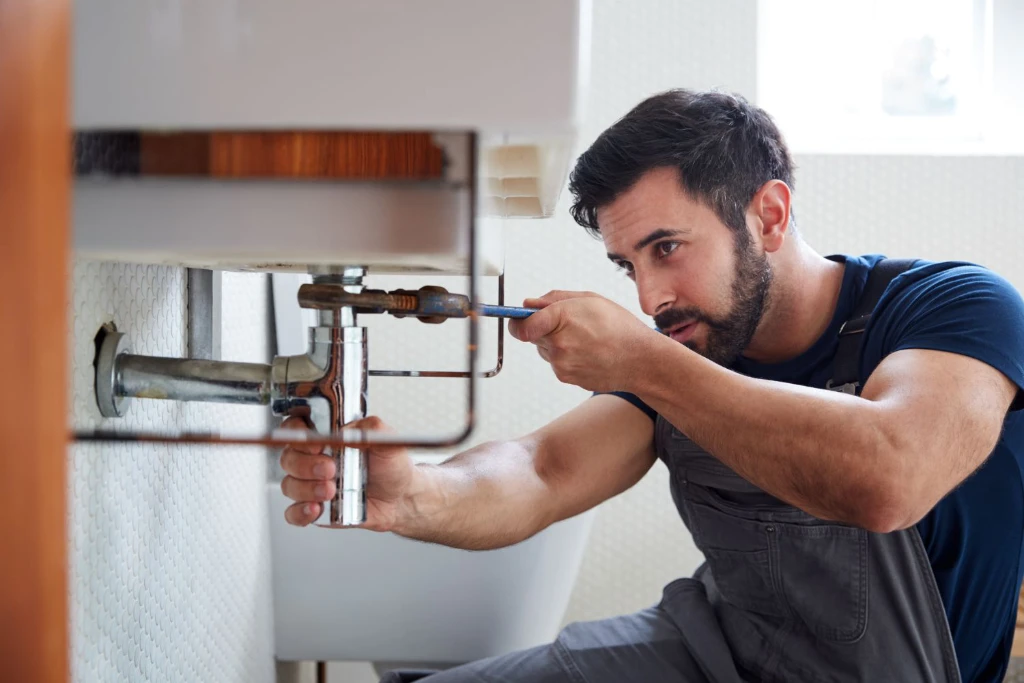
Taking care of your property before things go wrong doesn’t just save you money. In fact, it keeps your tenants happy and more likely to stick around.
When a place is well looked after, you’ll attract better tenants who treat it with respect and often stay longer. Regular maintenance also means fewer surprise repairs and helps your property hold its value over time. If you don’t have the time or energy to stay on top of it all, bringing in a property manager can take the pressure off.
At The Upgrade Authority, we provide AI-powered property management services that handle:
TUA uses property management software and local teams to keep the work organised and visible to you.

Getting the price right is one of the most important things you’ll do as a landlord. Charge too much, and your listing might sit empty while tenants choose more affordable options. Charge too little, and you’re leaving money on the table every single month. Either way, poor pricing eats into your income and adds stress.
Good pricing takes real thought, and ideally, data. You need to understand what similar properties are going for in your area, how demand changes through the year, and what kind of tenants you’re trying to attract. Factors such as location, amenities, and even the quality of your listing photos can all impact how much people are willing to pay.
The good news? There are tools and tricks that can help. Below, we break down how to price your property in a way that brings in reliable income while keeping your vacancy rate low.
Start by checking what similar properties in your area are charging. Use sites like Rightmove, Zoopla, or OnTheMarket to compare. Think about things like size, number of bedrooms, location, and any extras your property has. Areas like Clifton or Harbourside usually bring in higher rent, simply because they’re in demand.
Some landlords use AI tools to track local demand, booking patterns, and what similar properties are charging. This helps set the right rent and adjust it as things change, like during busy seasons or quiet weeks. It’s a simple way to stay competitive, avoid undercharging, and keep bookings steady.
The Upgrade Authority uses AI-driven rental strategies to maximise earnings while keeping tenant interest high.
If you’re renting your place as an Airbnb or short-term let, changing your prices throughout the year can make a big difference. Charge more during busy times like summer or big Bristol events.
On the other hand, we recommend offering discounts for longer stays if things are quiet. Try out different prices and see what brings in steady bookings without leaving money on the table.

A clear listing helps the right tenants understand the property quickly. Good photographs, accurate details and sensible pricing can shorten vacancies in a competitive market such as Bristol.
That means getting professional photos, writing a proper listing that highlights the best bits, and making sure it’s seen in the right places, on all the major rental platforms and even on social media.
The more eyes you get on your listing, the more likely you are to find a tenant who pays on time and takes care of the place. And once you’ve got that kind of tenant, your life as a landlord gets a whole lot easier.
Good photos make a big difference. A well-lit, tidy, and nicely staged property will always get more clicks, so keep that in mind. If you can, add a virtual tour or video walkthrough. This helps people get a real feel for the place without needing to visit, and it brings in more serious enquiries.
Social media can also help you find the right tenants. Posting on Facebook Marketplace, Instagram, or even LinkedIn puts your property in front of more people. Running a few targeted ads can help you reach renters in your area. And if past tenants have left good reviews, make sure to share them. It builds trust and makes your listing stand out.

Keeping a good tenant avoids cleaning, repairs, re-marketing, viewings and weeks without rent. Consistent communication and maintenance can therefore protect income as well as the tenant relationship.
Start by being picky at the beginning. Don’t rush. Proper screening helps you avoid problems later. Check their credit, job, references, and ultimately make sure they can actually afford the rent.
But it doesn’t stop once they move in. The way you treat tenants matters just as much. Fix issues quickly. Be easy to reach. Respect their privacy. If someone feels like you’ve got their back, they’re much more likely to stay, pay on time, and take care of the place like it’s their own. Long-term tenants = less stress and more profit.
An important factor when it comes to property management is to run proper background checks. That means looking at credit history, job status, past rentals, and asking for references. You can also use AI tools to spot red flags early.
Most importantly, make sure the tenant can actually afford the rent, because this cuts down the chances of late payments and rent arrears.
Keeping a good tenant is always easier (and cheaper) than finding a new one. Every time someone moves out, you’re looking at a loss of rent, time spent cleaning and advertising, and possibly even repair costs. Offering small incentives to encourage long-term leases can save you all that hassle and help you keep a steady flow of income.
You don’t need to go overboard. Simple things like repainting a room, upgrading a fridge or washing machine, or replacing worn-out furniture can go a long way in keeping tenants happy.
You could also offer a small discount if someone signs a longer lease. Let’s say 24 months instead of 12 months. That kind of stability is worth it.
These gestures show your tenants you value them. When people feel looked after, they’re more likely to take care of the place and treat it like home. It’s a win-win: they stay longer, and you avoid the stress and cost of constant turnover.
Stay in touch with your tenants and make sure they feel heard. If something breaks, respond quickly and get it sorted without delay. Let them know about any inspections, repairs, or changes in advance, so there are no surprises.
Being easy to reach and open to a quick chat can really make a difference. When tenants feel respected and know you’ve got their back, they’re more likely to treat the property well and stick around for the long haul. It keeps things simple for everyone.
The Upgrade Authority Tip: Happy tenants are more likely to take care of your property and pay rent on time. Using a professional property management service like The Upgrade Authority keeps tenant communication consistent.

Let’s be honest, good tenants are worth holding on to. They pay rent on time and take care of your property. So when you find someone reliable, it makes sense to do what you can to keep them around.
Start by being easy to deal with. Respond to their messages, fix problems fast, and don’t give them a reason to look elsewhere. Small things like a quick repair or a friendly heads-up about upcoming checks make a difference. People remember how they’re treated.
Also, think about offering something when their lease is up. A small upgrade, a fresh coat of paint, or even just a slight rent discount for signing a longer contract can show you’re serious about keeping them. It costs way less than losing a good tenant and scrambling to find a new one.
At the end of the day, if your tenant feels respected and comfortable, they are more likely to stay longer, which is better for retention and income.

By implementing smart pricing, effective marketing, and tenant retention strategies, landlords can:
Managing rental properties in Bristol doesn’t have to be overwhelming. If you want to ensure consistent rental income with minimal effort, consider a professional property management service that takes care of everything for you.
Want to optimise your rental strategy? Contact The Upgrade Authority today and let us help you increase your rental profits while minimising hassle!
Technology can eliminate manual tasks, saving landlords time and money.
Managing a rental includes repairs, legal duties, tenant issues, inspections and financial records. Some owners are comfortable doing that work themselves. Others pay a manager to take responsibility for an agreed scope.
That’s where professional property management comes in. If you’re renting out in a busy market like Bristol, having a trusted team to handle the day-to-day can save time, reduce stress, and actually increase your returns. Here’s how self-managing compares to how property management works.
| Feature | Self-Managing | Professional Management |
| Time Commitment | High | Low |
| Legal Compliance | Must be managed manually | Experts handle all compliance |
| Tenant Management | Landlord must deal directly | Hands-free tenant relations |
| Rent Collection | Manual follow-ups required | Automated |
| Emergency Support | Landlord responsible | 24/7 assistance available |
Managing a rental property in Bristol can be time-consuming and full of moving parts, but it doesn’t have to be. At The Upgrade Authority, we take care of everything from legal compliance to maintenance, tenant communication, and marketing. If you want less hassle and better results, we’re here to help.

We handle tenant finding, rent collection, maintenance, compliance and owner reporting.

The numbers don't lie. AI adoption in UK property management jumped from 21% to 34% in twelve months. Another 29%...
Read more about Where AI Can Reduce Property Management Work
A clear guide to full property management for UK landlords, including tenant finding, rent collection, maintenance, compliance and reporting.
Read more about Property Management Services Explained for UK Landlords
Property Protection Smart Property Protection The AI-Powered Monitor Keeping Your Rentals Safe and Compliant Peace of mind for you, protection for your property As...
Read more about Smart Property Protection: The AI-Powered Monitor Keeping Your Rentals Safe and Compliant
What property owners should check in an Airbnb management service, from fees and pricing evidence to maintenance authority and reporting.
Read more about Airbnb Management for Property Owners: What to Check Before You Choose