
Living in Redcliffe, Bristol
The station, the hill and the water bring different versions of central Bristol to your doorstep. The useful question is how a particular flat works when you come home with shopping, arrive on a late train or need somebody to repair the lift.
Find your part of Redcliffe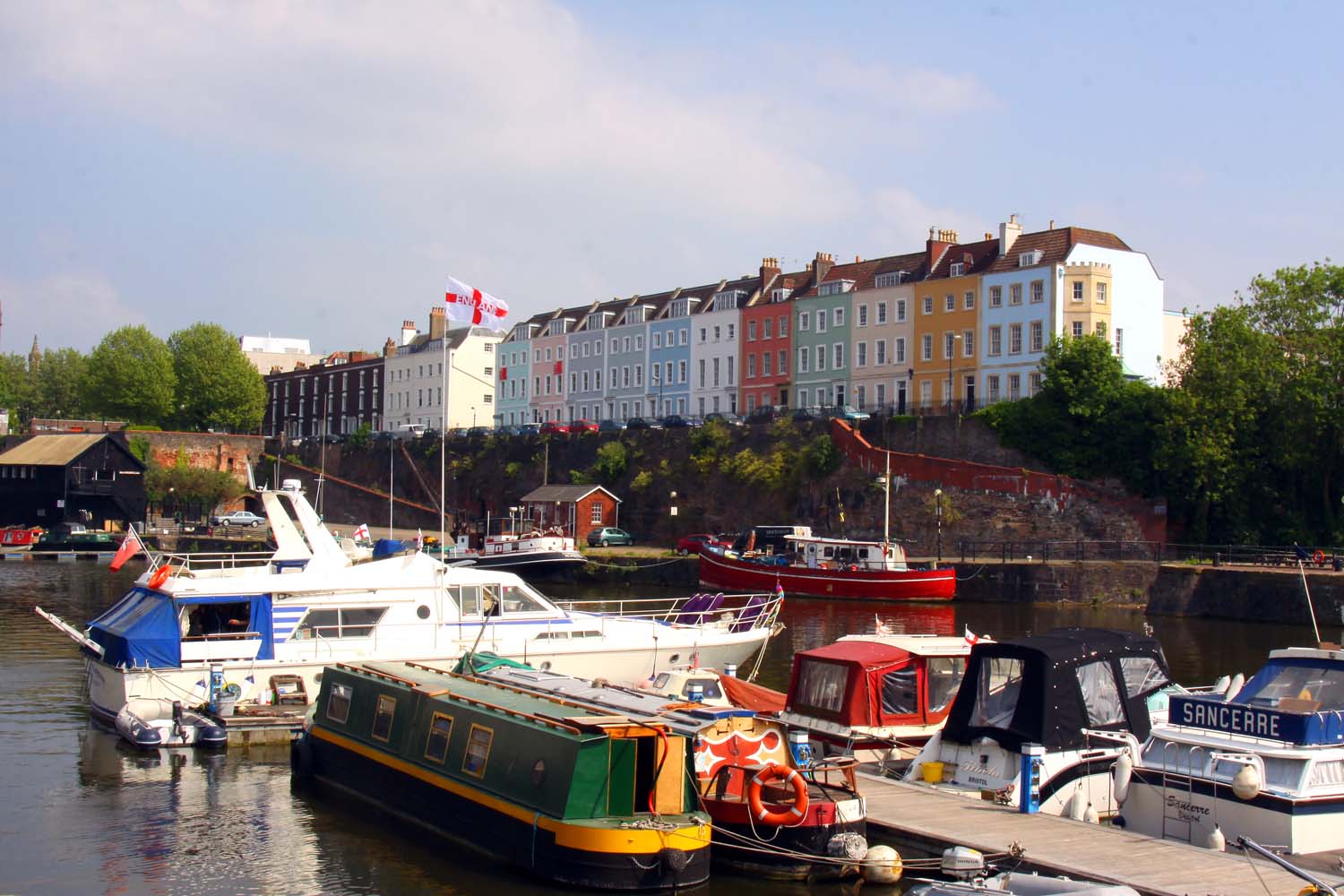

Choose the home as well as the location
A harbour view and a useful front door are different things
Redcliffe and Temple bring older streets, waterside homes and newer developments into a compact part of the city. That variety is the attraction. It also makes the area name a poor substitute for looking at the actual building. A bedroom above a busy route, a rear facing flat and a home reached through a shared courtyard can give you very different daily experiences.
Use the photographs to choose what to view, then use the viewing to test what the photographs cannot show. Listen inside the bedroom, try the communal doors and see where a delivery driver would wait. If the location only works because you expect to walk everywhere, make your usual walk before committing. Explore the local area with Visit Bristol.
Read the address
Three ways to live in Redcliffe
Start with the train you actually catch
A station side address is most valuable when it makes your real journey easier. Walk to the entrance you will use, continue through to the platform route and allow for crossings, luggage and any lift you depend on. The shortest line on a map may not be the route you want in bad weather or after a late arrival.
National Rail currently lists the main entrance on Station Approach and a separate University entrance. Their opening hours differ. It also lists step free access to all platforms. That describes the station, not the pavement, communal hallway or stairs inside your prospective home. Check each part of the journey separately. See current station entrances and accessibility.
If you work from home several days a week, pay as much attention to the room you will work in as the rail connection. Try the windows, look at the space for a desk and ask how broadband can be installed or transferred. Proximity to the station cannot tell you whether a particular room is comfortable for a full working day.
Walk the return journey, not just the way down
St Mary Redcliffe is a useful landmark for understanding this part of the area. When viewing around the hill, walk both directions between the places you expect to use and the actual entrance. Carry a normal bag if a slope, steps or a long internal corridor might affect your choice. An attractive street and an easy daily routine are separate considerations.
Inside, establish which way the living room and bedrooms face. Open a window, then close it and listen again. Ask to see a rear room if there is one. This gives you more useful evidence about that flat than an area wide description of Redcliffe as either quiet or lively.
Moving day deserves a separate plan. Find the communal entrance used for furniture, establish whether there is a lift and ask how removals are arranged. Then check the actual stopping restrictions outside. Do not assume that a van can wait by the front door because there happened to be space there during the viewing.
Look beyond the view
The harbour edge is one of Redcliffe’s most distinctive settings. Look at what sits below and beside the flat as carefully as what you see from its windows. Find the entrance, bike storage, bins and any underground or basement parking. Think through the trip from a parked car to the kitchen with shopping, and the alternative if a lift or access door fails.
The government flood service describes long term risk for an area. It does not predict whether an individual flat will flood and does not cover every cause of water damage. Use it as a starting point, then ask about this building’s history, insurance and any works. A flat above ground level can still rely on shared access or equipment elsewhere in the building. Check the area’s mapped flood risk.
The Environment Agency can also supply available flood history around an address. Its records are not complete for every area, so an absent record is not the same as proof that no problem has occurred. Ask the seller, landlord or managing agent for the building’s own account. Find out how to request flood history.
Outside the flat
A permit and an allocated bay are different promises
When an advert says parking is available, establish what that means. A numbered bay belonging to the flat, a rented space elsewhere and eligibility to apply for a street permit do not give you the same arrangement. Ask for the position and any separate cost in writing. If a space is important, see it during the viewing rather than relying on the description.
The council currently lists Redcliffe’s residents parking scheme as operating Monday to Saturday from 9am to 7pm. Use its street map and the signs at the actual bay to establish what applies. The scheme includes different bay types, so a permit is not permission to use every space you pass. Open the Redcliffe scheme and street map.
For a home without a private bay, think beyond where you can leave a car overnight. Consider unloading shopping, a visitor’s arrival and a contractor carrying equipment. A workable ordinary week is more valuable than finding one convenient empty space during a short appointment.
Inside the building
Follow the whole route to the front door
A flat can have a level entrance while its bike store or bins are down steps. Walk the communal routes you will actually use. Open the doors, establish how keys or fobs work and ask where parcels can be left. For a household using a buggy, mobility aid or heavy work equipment, these details can decide whether a home is practical.
Ask who handles a failed entry system, a stuck lift or a leak in a shared area. Establish how you report it and what happens outside normal office hours. A viewing cannot prove how well a management company responds, but a clear arrangement and a concrete answer are better evidence than a general promise that the building is well managed.
Look at storage with your belongings in mind. A cupboard, a shared cycle rack and permission to store a bicycle inside the flat solve different problems. Confirm any restrictions before relying on a space you have seen.
Before you commit
Renting and buying need different evidence
If you are renting
Match the advert to the proposed tenancy. Confirm the furnishings, appliances and any included parking or storage, then establish which bills and building charges you pay separately. If a facility matters to your decision, ask for its inclusion to be clear in the agreement.
Take photographs and record the condition through the normal inventory process when you move in. At a viewing, ask how repairs to the flat and shared areas are reported, because the landlord’s agent and the building manager may have different responsibilities. Use our Bristol renting guide to consider the wider monthly budget rather than judging affordability on rent alone.
If you are buying
Have your conveyancer read the lease and the management information for the exact flat. The remaining lease term, recurring charges, planned work and rights over shared spaces can matter as much as the finish inside. Ask how the current service charge was set and what information exists about future work. A freshly decorated hallway does not answer those questions.
If you intend to let the home, explain the actual proposed use to your solicitor, lender and insurer. A standard tenancy and repeated short stays are different proposals. Check the lease and planning position before basing a purchase on a letting forecast. The government’s guide to leasehold and our short let planning guide explain where to start.