
Living in Stoke Bishop, Bristol
The shops at Druid Hill, the open ground of the Downs and the railway at Sea Mills make for three different daily routines. Start with the one you’ll use most, then see how it works from the actual front door.
Compare the three approaches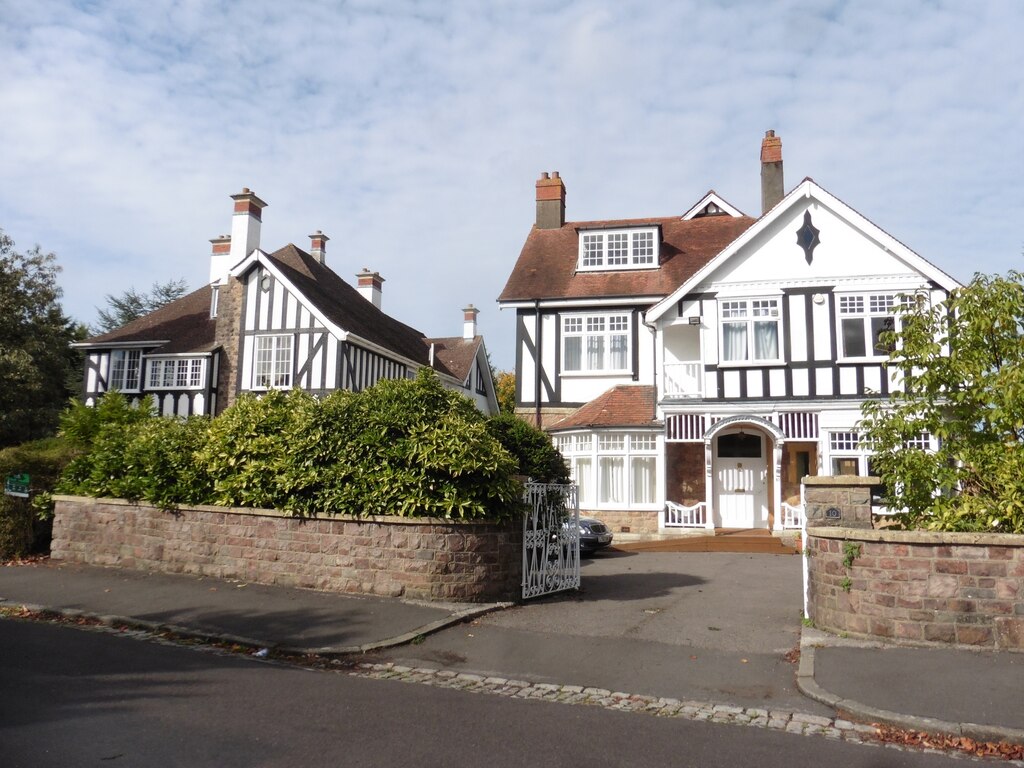

What do you want within an easy walk?
Open an approach to see where to start, what to try on foot and one question to take into the viewing.
Druid Hill and Stoke Hill
Start where you would run an errand. The Post Office is at 5 Druid Hill and the village hall is at 42 Stoke Hill. Walk to the home from the shops, then try the return in the direction that makes you cross the road. Notice where you can wait with a buggy or shopping.
The detached houses and front gardens pictured on Druid Stoke Avenue show one type of home you might see. On a side street, try the turn from the road into the driveway and count the steps from pavement to door. On a busier frontage, see which rooms face the road. If you plan to work from home, listen from the room where you would actually sit, with the window open as well as shut.
The Downs and the Sneyd Park edge
Pick a route from the door to the part of the Downs you want to use. The council identifies an off road cycle path between Saville Road and Stoke Road. Check where you would join it and which road you have to cross. If a grassy shortcut saves time on a sunny day, try the surfaced route you would use after rain as well.
Neighbouring Sneyd Park offers a different kind of walk. The council gives Glenavon Park as one way into Old Sneed Park nature reserve, with another approach through Bishop’s Knoll Wood. The Woodland Trust describes unsurfaced slopes and long flights of steps in the wood. If you need a route suitable for wheels or want a reliable winter loop, visit your proposed entrance before relying on the connection.
Towards Sea Mills station
Sea Mills station is on Sea Mills Lane. National Rail lists access to both platforms without steps, which can involve a steep or long approach, and shows no station car park. Check which platform you need in each direction and how you would reach it. A short distance on a map can feel different with luggage or on the return climb.
The Severn Beach line serves Clifton Down and Bristol Temple Meads. Try one trip at the time you expect to use it. Check the connection at the other end and put your address and arrival time into the WEST journey planner for a bus option. If trains are your main reason to choose that address, try coming home after dark to see how the walk and lighting feel.
Check the address before you commit
An advert’s area name can cover homes with different routes, school options and parking arrangements. Use the full address for these checks.
School places
Bristol’s local maps let you search by address. Read the Stoke Bishop Church of England Primary admissions policy for the year you need. Check the separate Elmlea policies if those schools are on your shortlist. A postcode or easy walk gives you a route to test. Offers depend on each school’s criteria and places available.
Parking and access
Check the council map for parking restrictions, then look for signs on the street. Ask which space comes with the property and who else can use the access. Try the turn into the drive and see whether you could open a car door, charge a vehicle where permitted or walk past a parked car to the entrance.
Gardens and planned changes
If new windows, a larger driveway or changes to mature trees matter to the move, check the council’s conservation layers and tree preservation register. Search for the actual plot and ask the owner or your conveyancer for existing permissions. The designation on a neighbouring road is a reason to look up yours.
Lower rooms and drainage
For a home below road level or with steps down to an entrance, look at where water would run off the road, driveway and garden. Use the government’s flood risk checker for river and surface water information. Ask about past water ingress, how any drain is maintained and who is responsible for repairs. The area map gives context for those questions.
Try one routine at two addresses
Imagine you’re choosing between a house off Druid Stoke Avenue with a drive and a flat that looks closer to Sea Mills. Start each viewing with the journey you’ll make most often. For a rail commute, compare arrival on the right platform and the return to the door. If shopping and school are the repeated trips, try those routes at the relevant times instead.
At the house, see how your bike or a delivery would get past the parked car. At the flat, ask to see the bike store and check the door widths, any shared steps and who pays for maintenance. Write down the journey, the difficulty you noticed and the answer you still need for each address. Compare rent or purchase costs alongside the Council Tax band, energy certificate and what you would spend on travel.