
Where AI Can Reduce Property Management Work
The numbers don't lie. AI adoption in UK property management jumped from 21% to 34% in twelve months. Another 29%...
Read more about Where AI Can Reduce Property Management WorkProperty management is the day to day running of a rental property on its owner’s behalf. The manager handles the work agreed in the contract, while the owner decides what to delegate and which decisions to keep.
For a landlord with a conventional tenancy, that might mean someone else deals with tenant calls, follows up rent payments and arranges repairs. You do not need to run a holiday let to use a property manager. The service should fit the home and the way it is let.

A property manager is the contact between the owner and the people using the property. Rather than the landlord chasing a repair from the first phone call to the final invoice, the manager coordinates the work and keeps a record of what happened.
The exact scope matters. An agent hired only to find a tenant will not necessarily handle the tenancy afterwards. Full management can cover the ongoing work, but the contract still needs to say what is included. Our guide to property management and rental management explains why the labels alone are not enough.
Marketing, enquiries and viewings can be part of the service or a separate instruction. The manager can coordinate references, present the application to the owner and arrange the agreed tenancy paperwork. Ask where tenant finding ends and ongoing management begins, particularly if the quoted fees treat them separately.
If the home already has a tenant, the immediate task is different. The manager needs an accurate tenancy record and a clear handover, not a new advertising campaign.

The service can include recording rent due and received, following up missed payments and transferring the balance to the owner. A useful statement distinguishes money collected from money still outstanding. It also shows the management charge and any property costs deducted.
Ask when you will receive the statement and payment, how an overdue balance is reported and who follows it up. A headline rent figure tells you much less than a record you can reconcile against your bank account.
Property care covers arranging repairs and checking the home’s condition. Cleaning and preparation may also form part of the agreed service, particularly between occupancies. Planned work should be distinguished from an urgent problem, with a clear route for each.
Agree what the manager can authorise, what needs a quote and when you want to be contacted. You should be able to see the reported fault, the work arranged, the cost and whether it was completed. A repair marked as assigned is not the same as a repair finished.
A request for an electric vehicle charger can involve the tenant, landlord, freeholder and installer. Agree who can make the decision and keep the proposed work and costs together. Our October EV charging consultation explains England’s proposals and what a manager can prepare now.
A manager can coordinate safety appointments and keep property documents organised. Ask who checks the records, who arranges renewals and how an outstanding item is brought to your attention. The management agreement should make those responsibilities clear.
Requirements depend on where the property is and how it is used. A UK management service should account for the actual address rather than assume every tenancy or letting follows the same rules.
Tenants need a usable way to report a problem and understand what happens next. The owner needs to know about material issues, not necessarily every message about an appointment. Agree the normal contact route and how an urgent call is handled outside office hours.
Clear communication also means keeping the history. When someone calls about a repair again, the person answering should be able to find the previous report and the work already arranged.
Financial reporting should help you understand what the property has earned and what it has cost. Repair spending, vacant periods and larger planned work all affect the return. A manager may help prepare a maintenance budget or review the asking rent against comparable homes, depending on the agreed scope.
Keep a working budget separate from the money actually received. A forecast is an assumption about the future. Statements and invoices show what happened.
A property let for shorter stays needs a different operating plan. Guest arrivals and cleaning have to fit the booking calendar, and advertised rates may change as demand changes. Our short let management service covers that route separately.
It is an option to assess for a suitable property, not a requirement for landlords who want help with a conventional tenancy.

Management does not mean every property expense is paid by the agent. A fee for arranging a repair is different from the contractor’s bill. Tenant finding, photography or work on a vacant property may also have their own charges.
Ask for the scope and total fees together. Confirm how larger works, disputed payments and specialist advice would be handled before assuming they are covered. If a service is described as full management, the detail in the agreement should support that description.
Compare quotes using the same property, letting route and expected work. Find out what the percentage is charged on and whether VAT is included in the figure shown. Then account for any setup charge and the costs that sit outside the management fee.
The property management fees guide explains how to compare the charging structures. UpgradedPM’s own rates are set out on the pricing page.
Ask about homes similar to yours in the same area. A useful answer explains how the team handles the property’s practical needs, rather than promising a return before looking at it. Published owner stories and a conversation with an existing client can help you check whether the service described matches the work delivered.
Find out who you contact, how repairs are followed through and what reporting you receive. Ask to see a sample statement and how an unresolved issue appears in it. If the service uses an online portal, check that it gives you useful records and that you can still reach a person when you need one.
Check the provider’s relevant professional memberships, redress arrangements and client money protection where applicable. Review the management agreement, insurance arrangements and notice terms as well as the marketing page.

It depends on the work you want to retain and the cost of handing it over. Someone who lives nearby and has time to manage a single home may prefer to keep doing it. Someone managing several properties alongside another job may value the same service very differently.
Compare the fee with the hours you currently spend on the property and the costs you can actually evidence. Professional management does not guarantee higher rent or remove every problem. Its value lies in whether the agreed work is handled reliably and the owner can see what is happening.
If you decide to use a manager, our guide to the property handover and ongoing management process explains what to prepare before they take over. You can also compare our management services or talk to the team about your property.

Tell us where the property is and what you would like help managing.

The numbers don't lie. AI adoption in UK property management jumped from 21% to 34% in twelve months. Another 29%...
Read more about Where AI Can Reduce Property Management Work
Property Protection Smart Property Protection The AI-Powered Monitor Keeping Your Rentals Safe and Compliant Peace of mind for you, protection for your property As...
Read more about Smart Property Protection: The AI-Powered Monitor Keeping Your Rentals Safe and Compliant
What property owners should check in an Airbnb management service, from fees and pricing evidence to maintenance authority and reporting.
Read more about Airbnb Management for Property Owners: What to Check Before You Choose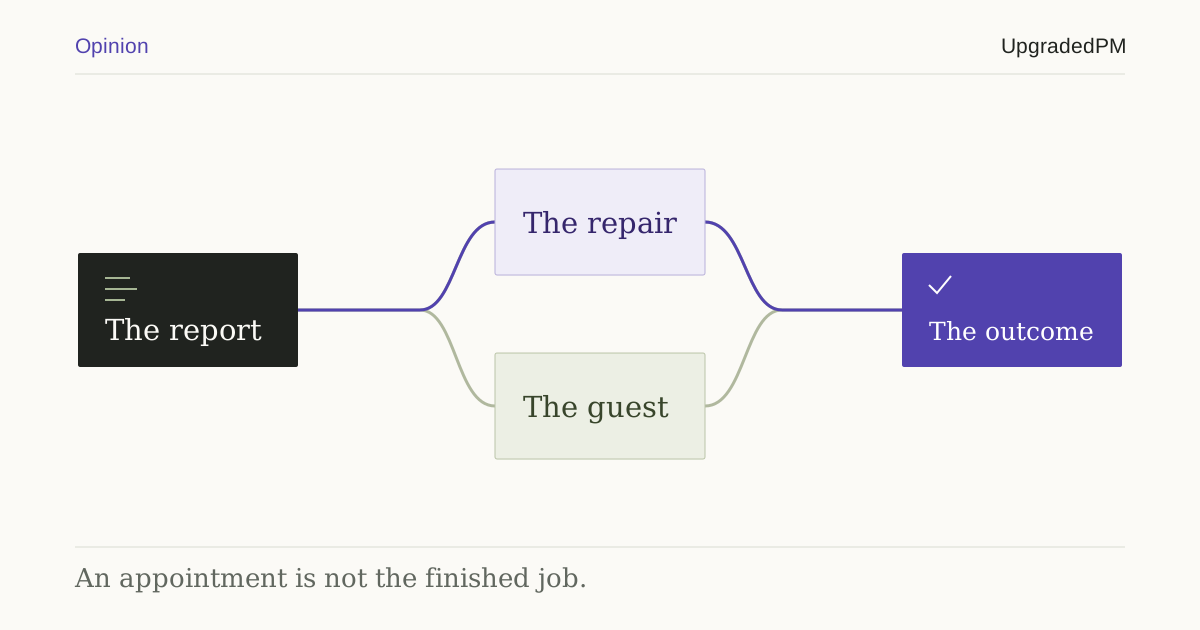
Hakim Parr on who takes responsibility once the forecast has won the instruction, and the questions to ask before you sign.
Read more about What happens after you sign with a property manager?